Every month, millions of homeowners consider their utility bills as fixed, unchangeable costs of living. We pay rising fees, attributing them to inflation or weather changes. However, within the average household, small issues contribute to unnecessary energy waste and increased expenses. Small gaps in window frames, a misaligned garage door, a dust-choked heating system, or a water heater with sediment buildup are actively wasting energy and inflating monthly bills.
Deferring maintenance has a twofold financial impact. First, you pay higher monthly electricity, gas, and water bills because your home works harder to stay comfortable. Second, you risk emergency repair costs later. Transitioning from a reactive approach—fixing things only when they break—to a proactive, ROI-driven maintenance strategy is the most effective way to reduce living costs.
Windows & Openings

Windows are beautiful architectural features, but they are also notorious thermal weak points. When the weather turns extreme, unmanaged glass surfaces allow outside temperatures to radiate indoors while your expensive, conditioned air escapes.
Mastering Micro-Climates with Smart Layering
To combat seasonal drafts and intense radiant heat, you must create a dynamic barrier between your living space and the outdoor elements. Relying solely on your glass panes to block the elements is a losing battle. Instead, focus on building internal micro-climates using strategic layering techniques.
- Install Honeycomb or Cellular Shades: These specific window coverings feature unique air pockets that mimic the insulation properties of double-pane windows. They trap air right at the glass surface, preventing it from circulating into the rest of the room.
- Deploy Thermal Drapes: Heavy, tightly woven thermal curtains act as an additional wall of defense. For maximum efficiency, hang them close to the window and let them seal against the windowsill or floor.
- Seal the Perimeters: Check the caulking around your window frames annually. If you notice cracks or feel a slight breeze, scrape away the old material and apply a fresh bead of high-quality silicone caulk.
Selecting the appropriate window treatment tailored to the specific orientation of each room can drastically reduce the load on your thermostat. By closing these barriers during the hottest hours of a summer day or the coldest nights of winter, you effortlessly stabilize your indoor climate.
Blocking Solar Heat Gain Without Replacing Glass
Full window replacements offer excellent energy efficiency, but the upfront cost can take over a decade to recoup. If your window frames are still structurally sound, you can achieve a massive percentage of those energy savings at a fraction of the price by treating the glass you already have.
- Apply Low-Emissivity (Low-E) Films: These micro-thin, transparent layers are applied directly to the interior or exterior surface of your existing glass. They are engineered to reject ultraviolet and infrared spectrums while still letting visible light pass through.
- Target Vulnerable Facades: Focus your efforts heavily on south- and west-facing windows. These areas receive the most intense, direct sunlight throughout the day, turning your rooms into miniature greenhouses.
Enlisting professional window tinting services allows you to reject a massive percentage of solar heat gain before it ever crosses your threshold. This targeted upgrade keeps your home significantly cooler during peak summer months, meaning your cooling systems can rest instead of running continuously.
Entryways & Garages
If windows are the structural weak points of a home’s thermal envelope, exterior doors and attached garages are the active leaks. Because these features open and close multiple times a day, they are prone to rapid wear and tear that creates invisible pathways for drafts.
Eliminating Air Infiltration at the Main Thresholds
A minor gap around a front or back door might seem insignificant, but a cumulative gap of just an eighth of an inch around a standard entryway leaks as much conditioned air as leaving a small window wide open permanently.
- Perform the Dollar-Bill Test: Close your exterior doors on a dollar bill. If you can pull the bill out easily without any resistance, your weatherstripping is failing and needs immediate replacement.
- Upgrade to Interlocking Thresholds: Standard flat thresholds often fail to meet the bottom of the door perfectly. Heavy-duty, adjustable thresholds can be raised or lowered with a screwdriver to create a flawless, airtight seal against the bottom sweep.
- Adjust the Strike Plate: If your door rattles when it is locked, it is not sitting tightly against the weatherstripping. Moving the strike plate slightly inward forces the door to compress firmly against the seals when latched.
Sourcing durable, high-density items from reputable door hardware supplies ensures that your seals will not flatten, crack, or degrade after just one season of heavy use. Investing a few dollars into premium sweeps and commercial-grade latches pays off immediately in the form of a draft-free entryway.
Taming the Unconditioned Thermal Buffer
An attached garage functions as a giant heatsink. It is a massive, unconditioned space that absorbs the ambient temperature of the outdoors and presses it directly against the shared walls of your actual living space. If your garage is freezing or boiling, your kitchen, living room, or bonus room upstairs will suffer the consequences.
- Insulate the Garage Door Panels: If you have an uninsulated metal garage door, buy an insulation kit featuring foil-faced foam boards or fiberglass batting. Secure these panels directly into the exposed structural channels of the door.
- Replace the Bottom Rubber Seal: The heavy rubber gasket at the base of your garage door takes a beating from weather and pests. If it is flattened, torn, or brittle, slide it out of its track and install a pliable, heavy-duty U-shaped rubber seal.
- Seal the Shared Wall: Treat the wall connecting your garage to your home as an exterior wall. Use expanding spray foam to seal any penetrations around electrical outlets, light switches, and plumbing pipes.
Staying on top of routine garage door repairs ensures the entire assembly remains perfectly balanced and aligned. When a garage door sits tightly and squarely in its tracks, it stops outside air from swirling under the frame and bleeding through your home’s internal barriers.
HVAC Efficiency & Airflow
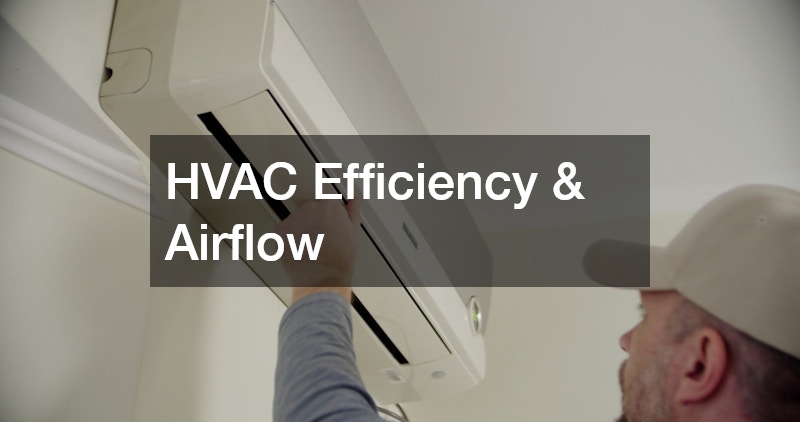
Your heating and cooling system is the single largest consumer of energy in your household, often accounting for more than half of your total utility expenses. When this system is neglected, its internal components must work significantly harder to move air, causing your power bills to skyrocket while shortening the equipment’s operational lifespan.
Optimizing the Heart of Your Climate Control
The easiest, most cost-effective maintenance habit a homeowner can adopt is managing airflow. A choked system consumes excessive amounts of electricity just trying to pull air through its heat exchangers.
- Maintain a Strict Filter Schedule: Inspect your air filters every 30 days. If you have pets or live in a dusty area, replace them immediately. At a bare minimum, change them every 90 days to prevent severe airflow restriction.
- Clear the Outdoor Condenser: Your outdoor unit needs breathing room to disperse the heat it removes from your home. Trim back bushes, remove dead leaves, and clear away weeds to maintain a clear two-foot perimeter around the entire metal housing.
- Gently Clean the Fins: Use a standard garden hose with a spray nozzle to clear out accumulated dirt, pollen, and lawn clippings from the exterior aluminum fins. Never use a pressure washer, as this will bend the delicate metal and permanently block airflow.
Knowing exactly when to call a certified technician for a targeted HVAC repair versus attempting a basic DIY fix can save you thousands of dollars over the years. Addressing minor operational hitches early prevents them from cascading into total system failures during extreme weather events.
Ensuring Consistent Peak Performance
Beyond basic cleaning, your climate control system requires deeper tuning to ensure it is translating every watt of electricity into actual comfort.
- Seal Ducts with Mastic: Do not rely on standard silver duct tape to seal your ductwork, as it dries out and falls off over time. Instead, use paint-on mastic sealant or heavy-duty foil tape to seal every joint and junction in your exposed ductwork.
- Check the Condensate Drain: Look for the plastic PVC pipe that drains moisture away from your indoor evaporator coil. Pour a cup of distilled white vinegar down the line every few months to clear out algae buildup and prevent costly water backups.
Investing in a comprehensive, pre-season ac service guarantees your system operates at its maximum rated efficiency before the summer heat hits. A professional technician can check refrigerant levels, test electrical relays, and oil moving parts to ensure the unit doesn’t short-cycle and waste power.
Roof & Exterior Siding
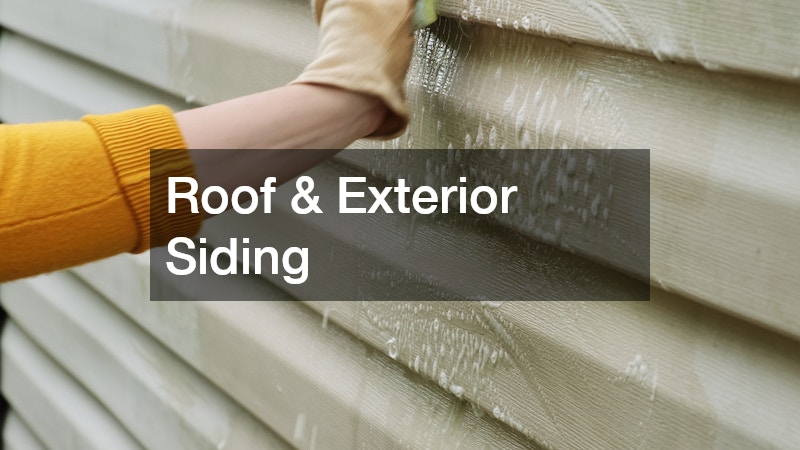
The exterior shell of your home is its first line of defense against weather. While we often think of siding and roofing solely as protection against water damage, they play a massive role in regulating the thermal dynamics of the entire structure.
Optimizing Attic Ventilation and Shingle Integrity
During the summer, a poorly ventilated attic acts like a giant radiator perched directly on top of your living space. Temperatures in a sealed attic can easily climb past 150 degrees Fahrenheit. This intense heat radiates downward through your ceilings, forcing your air conditioning to run non-stop.
- Clear the Soffit Vents: Walk around the exterior underside of your roof eaves. Ensure your soffit vents are free of dirt, paint, or insulation blockages so cool air can easily enter the bottom of your attic space.
- Inspect the Ridge and Gable Vents: Warm air naturally rises. Make sure your upper vents are clear and functioning so that blistering attic air has a continuous, passive escape route out of your home.
- Look for Displaced Shingles: Use a pair of binoculars to scan your roof after major windstorms. Replacing a handful of damaged shingles immediately prevents water from soaking your attic insulation, which destroys its thermal resistance properties.
Partnering with dependable local roofers for routine periodic inspections ensures that minor, unnoticeable wear is caught before it rots your roof deck. When your roof reaches the end of its natural lifespan, prioritizing a comprehensive roofing installation that utilizes reflective, energy-star rated shingles can permanently lower your cooling costs by reflecting solar heat back into the atmosphere.
Upgrading the Home’s Protective Armor
Your home’s exterior walls are subjected to a relentless cycle of expansion and contraction as temperatures change. If your siding is cracked, warped, or loose, it allows wind to pierce your home’s outer layer, stripping away heat in the winter and introducing humidity in the summer.
- Audit for Warping and Gaps: Walk the perimeter of your home and check the horizontal seams of your siding. Pay close attention to areas around windows, light fixtures, and outdoor faucets, ensuring the caulking is intact.
- Consider Insulated Upgrades: If your current exterior siding is failing and due for a total replacement, look into products that feature factory-laminated foam backing. This adds an unbroken layer of insulation right over your home’s wooden studs, stopping thermal bridging in its tracks.
Consulting an experienced siding contractor allows you to properly evaluate the condition of your home’s underlying house wrap and moisture barriers. Fixing these hidden exterior issues eliminates drafts and significantly lowers the energy needed to keep your indoor spaces comfortable.
Water Heating & Plumbing
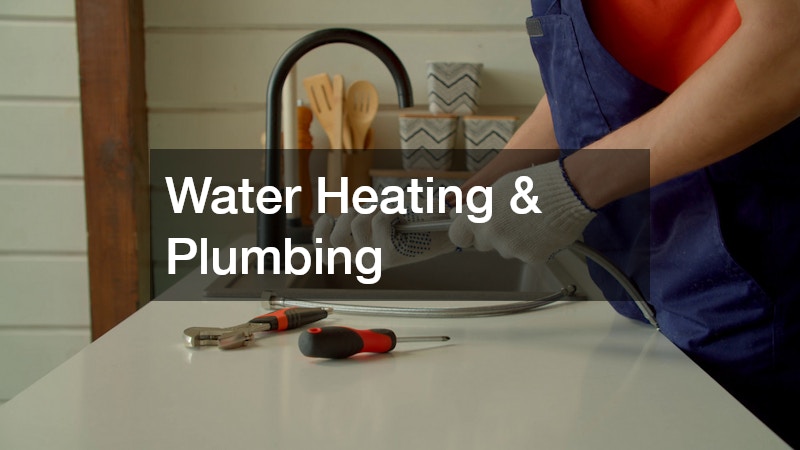
Water heating is typically the second-largest energy expense in the modern home. We use hot water constantly for showers, laundry, and dishes, yet we rarely think about the efficiency of the delivery system until we are met with a freezing cold surprise.
Calibrating and Insulating the Water Delivery System
Most manufacturers ship water heaters with the internal thermostat set to 140 degrees Fahrenheit. This is unnecessarily hot for standard domestic use, poses a scalding risk, and creates massive standby heat loss as the tank constantly fights to maintain that extreme temperature all day and night.
- Lower the Target Temperature: Locate the dial on the front of your gas water heater or behind the electrical access panels on an electric model. Turn the temperature down to 120 degrees Fahrenheit. This simple adjustment saves money immediately without sacrificing comfort.
- Flush the Sediment Annually: Over time, naturally occurring minerals in your water supply settle to the bottom of your water heater tank. This creates a thick barrier between the burner and the water. Drain a few gallons of water from the bottom drain valve every year into a bucket until the water runs completely clear.
- Insulate Exposed Hot Water Pipes: Go into your basement or crawl space and locate the hot water pipes exiting your heater. Snap pre-slit foam pipe insulation over the first six feet of exposed pipe. This keeps the water in the lines warmer for longer, reducing the time you have to run the tap waiting for hot water to arrive.
For complex hydronic upgrades like converting an aging tank system to a modern tankless model or adjusting whole-home water pressure regulators, hiring licensed plumbing contractors is the safest and most efficient option. They can ensure your flow rates are optimized and your system complies with local building codes.
Lowering your utility bills doesn’t require drastic sacrifices. Instead, focus on strategic home maintenance and structural upgrades. Seal windows and entryways, maintain heating and cooling equipment, protect your home’s exterior, and optimize water heating systems to control expenses.