Modern homeowners juggle demanding work schedules, family responsibilities, and countless home maintenance tasks. Managing a household efficiently can feel overwhelming when daily routines compete with ongoing upkeep and unexpected repairs. Fortunately, smart home automation offers practical solutions that simplify daily life and improve home efficiency.
Smart devices now allow homeowners to monitor systems, automate tasks, and receive alerts about potential problems before they become costly issues. With the right approach, automation can reduce the time spent managing routine tasks while helping protect your home’s condition and safety.
Why Smart Home Automation Makes Life Easier for Busy Homeowners
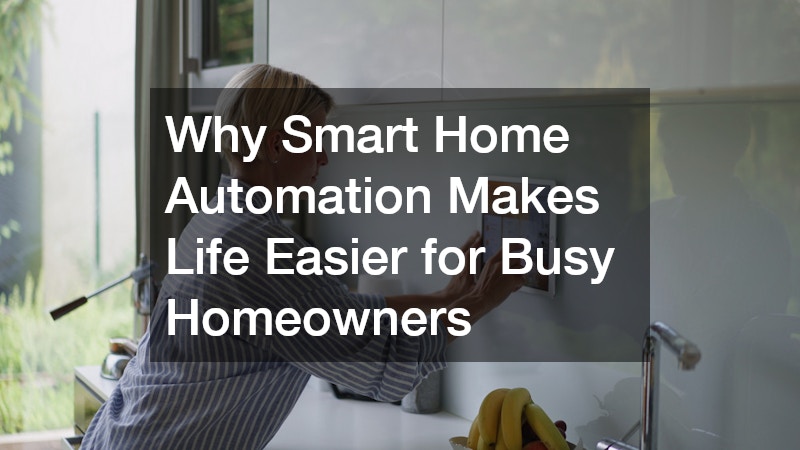
Smart home automation works by connecting devices, sensors, and appliances through a central system that can be controlled remotely. Instead of manually managing each system, homeowners can set up automated routines to handle daily tasks in the background.
For busy households, this technology provides several valuable benefits:
- Reduced time spent on routine tasks
- Improved energy efficiency
- Real-time home monitoring
- Early detection of maintenance issues
- Greater security and peace of mind
Automation systems can also send alerts when appliances show signs of malfunction, helping homeowners address problems before they require professional appliance repair. Early notifications allow homeowners to schedule maintenance at convenient times rather than dealing with unexpected breakdowns.
Smart technology also supports preventative maintenance by monitoring environmental conditions and system performance. These tools can identify subtle changes in home systems, allowing homeowners to address problems early rather than waiting until major repairs are necessary.
Start with a Centralized Smart Home Hub for Simple Control
A successful smart home begins with a centralized control system that connects all devices. This hub allows homeowners to control lighting, climate systems, security devices, and appliances from a single mobile app or voice assistant.
Smart home hubs simplify automation by allowing users to create routines such as:
- Automatically adjusting the lighting during the evening
- Locking doors when everyone leaves the house
- Activating security systems at night
- Adjusting temperatures based on daily schedules
Many modern appliances now include smart diagnostic features that detect irregular performance patterns and notify homeowners when maintenance may be required. These alerts help homeowners address minor issues early, before they become expensive appliance repair bills.
When selecting a smart hub, homeowners should prioritize systems that are compatible with a wide range of devices and integrate easily with existing technology.
Automate Climate Control to Maintain Comfort and Prevent System Issues
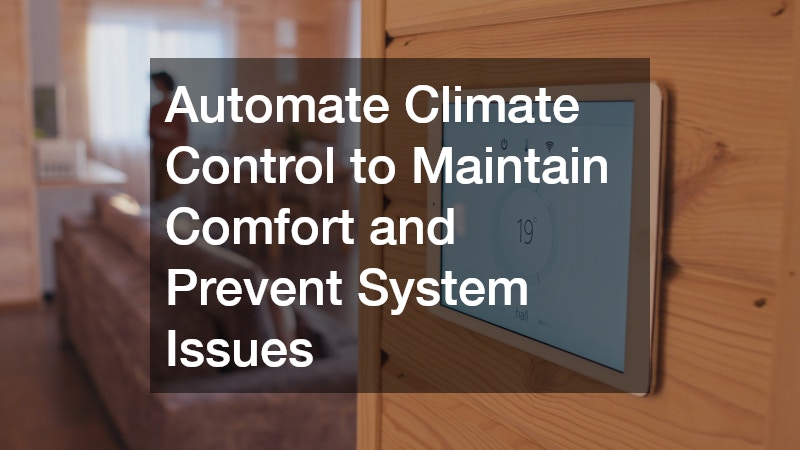
Climate control is one of the most effective ways to benefit from smart home automation. Smart thermostats can automatically adjust temperatures based on your schedule, ensuring your home remains comfortable without wasting energy.
Busy homeowners can program temperature adjustments for different times of the day. For example, the thermostat can lower heating levels while the home is empty and return to a comfortable temperature before residents return.
Many smart thermostats now include advanced monitoring features that detect unusual heating patterns. These alerts can help homeowners identify early warning signs that may eventually require professional furnace repair.
Benefits of smart climate automation include:
- Reduced energy consumption
- Improved indoor comfort
- Early detection of heating issues
- Remote temperature adjustments
- Automated seasonal settings
By monitoring system performance and environmental conditions, these systems help homeowners stay ahead of potential heating problems.
Use Smart Water Monitoring Systems to Protect Plumbing and Water Quality
Water damage is one of the most common and costly household problems. Smart water monitoring systems help prevent damage by detecting leaks, tracking water usage, and alerting homeowners to abnormal conditions.
These systems use small sensors placed near appliances, sinks, and water lines to detect moisture or unexpected water flow.
Advanced smart home systems can also integrate monitoring features that track the performance of water filtration equipment and alert homeowners when filters need replacement. These alerts help maintain consistent water filtration performance and ensure that drinking water remains clean and safe.
Smart plumbing systems can also detect slow drainage patterns, which may indicate buildup in pipes. Early detection allows homeowners to schedule service before severe blockages develop that require professional drain cleaners.
Water monitoring systems typically provide several helpful features:
- Leak detection alerts
- Automatic water shutoff capabilities
- Water usage tracking
- Filter replacement notifications
- Early clog detection
These tools help homeowners prevent plumbing emergencies while protecting their property from water damage.
Automate Exterior Security and Access for Greater Peace of Mind

Home security is another area where automation provides significant advantages. Smart locks, cameras, and motion sensors allow homeowners to monitor their property remotely and receive alerts when unusual activity occurs.
One of the most popular smart home upgrades is installing smart garage door openers. These systems allow homeowners to open or close the garage from a mobile device and receive notifications if the door is left open.
These features are particularly useful for busy homeowners who frequently leave home in a hurry and later wonder whether the garage door was closed. Smart alerts help prevent security risks and can also remind homeowners when it may be time to schedule routine garage door service.
Smart security automation can include:
- Remote garage access
- Motion detection alerts
- Video surveillance
- Door and window monitoring
- Automatic nighttime security routines
By connecting these features to a centralized hub, homeowners gain better control and awareness of their property’s security.
Manage Outdoor Spaces Efficiently with Smart Landscaping Technology
Outdoor maintenance often requires careful timing and regular attention. Smart landscaping technology helps homeowners maintain their yards while minimizing the time required to manage outdoor tasks.
Smart irrigation systems automatically adjust watering schedules based on weather forecasts, soil moisture levels, and seasonal conditions. This prevents overwatering and ensures plants receive the correct amount of moisture.
Automation systems can also track seasonal maintenance tasks and provide reminders when it’s time to schedule professional tree service. These reminders help homeowners keep trees healthy and prevent safety hazards from overgrown branches.
Tree health is especially important for maintaining safe outdoor spaces. Automation tools can send reminders during appropriate seasons when tree pruning should be performed to remove weak or hazardous limbs.
Helpful smart landscaping features include:
- Weather-based irrigation control
- Soil moisture monitoring
- Seasonal landscaping reminders
- Lawn maintenance scheduling
- Outdoor lighting automation
These systems help homeowners maintain beautiful outdoor spaces without constant manual management.
Improve Indoor Safety with Smart Environmental Monitoring
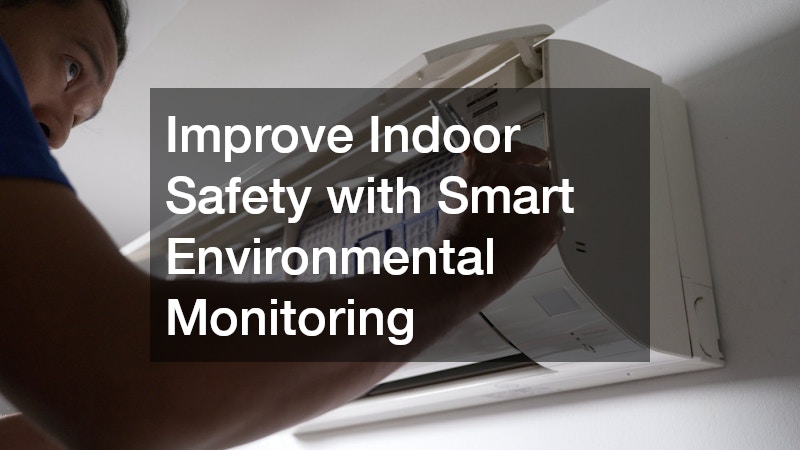
Environmental monitoring systems help protect the health and safety of everyone living in the home. Smart sensors can monitor air quality, humidity, and temperature changes throughout the house.
When conditions exceed normal levels, the system sends alerts that allow homeowners to respond quickly before problems escalate.
Outdoor cameras and motion sensors can sometimes identify increased pest activity around the property. Early detection allows homeowners to take action before infestations become severe enough to require professional bee extermination.
Smart environmental monitoring systems often include the following capabilities:
- Indoor air quality monitoring
- Carbon monoxide detection
- Humidity tracking
- Mold risk alerts
- Outdoor pest activity monitoring
These systems help create a healthier indoor environment while preventing minor issues from becoming serious safety concerns.
Stay Ahead of Structural Maintenance with Smart Home Monitoring
Structural maintenance is one of the most expensive aspects of homeownership, and early detection of potential problems can save homeowners significant money. Smart home monitoring systems can detect moisture in attics, track temperature changes in roofing structures, and monitor conditions that could lead to damage. These systems provide continuous oversight of areas that are often difficult for homeowners to inspect regularly. By collecting real-time data, smart sensors help identify unusual conditions that may indicate developing structural issues.
Sensors placed in vulnerable areas help homeowners identify small leaks before they cause widespread structural damage. Attic moisture sensors, temperature monitors, and leak detectors can send instant alerts to a mobile device when conditions change. This early warning system gives homeowners time to investigate concerns and address them before they escalate. With timely notifications, it becomes easier to schedule inspections and plan necessary roof repairs before small issues turn into major structural problems.
Structural monitoring systems can include:
- Attic moisture sensors
- Leak detection alerts
- Temperature monitoring
- Storm impact monitoring
- Long-term structural data tracking
These tools provide homeowners with valuable insights into their property’s health while preventing costly damage.
Use Smart Scheduling to Coordinate Home Projects and Cleanups
Smart home technology can help homeowners stay organized when planning larger home improvement projects. Automation apps allow users to track renovation schedules, coordinate contractor visits, and set reminders for upcoming tasks. These digital tools provide a centralized hub for managing project timelines, budgets, and progress updates. For busy homeowners balancing work and family responsibilities, having a clear overview of each phase of a project helps reduce stress and prevent scheduling conflicts.
Automation systems can also send reminders when certain project stages are approaching, making it easier to prepare materials or confirm appointments with service providers. This is particularly helpful during large cleanup projects that require organized planning and waste management. When homeowners schedule major home improvement projects or decluttering efforts, they may need services such as dumpster rental to manage construction debris or household waste. By integrating these tasks into a smart scheduling system, homeowners can ensure that disposal services arrive at the right time and that projects stay on track from start to finish.
Smart scheduling tools can help manage these projects by offering:
- Digital project calendars
- Contractor appointment reminders
- Task tracking lists
- Cleanup scheduling tools
- Home maintenance planning systems
Using these tools helps homeowners stay organized and ensures home improvement projects run smoothly.
Build Automation Routines That Handle Multiple Tasks at Once
The real power of smart home automation lies in creating routines that enable multiple systems to work together seamlessly and automatically. Instead of managing each device individually, homeowners can set up schedules that activate multiple tasks at once, streamlining daily life and reducing the mental load of household management. These routines can be customized for specific times of day, special occasions, or seasonal changes, ensuring that the home operates efficiently without constant manual intervention. By linking lighting, climate control, security systems, and appliances, homeowners can create a home environment that adjusts itself to their needs, improving comfort and convenience throughout the day.
In addition to enhancing daily routines, smart home automation provides continuous monitoring of key systems to prevent potential problems before they escalate. Plumbing sensors, for instance, can detect slow drainage or leaks and send instant alerts, allowing homeowners to address issues early and schedule service before minor blockages become severe enough to require professional drain cleaners. Similarly, automation systems can track appliance performance, energy usage, and other home metrics, offering proactive maintenance reminders. This combination of routine automation and real-time monitoring not only saves time but also helps homeowners avoid costly repairs while maintaining a safer, more efficient household.
Similarly, smart appliance diagnostics can track equipment performance and alert homeowners when a system begins to show signs that may require repair.
Examples of helpful automation routines include:
- Morning wake-up routines
- Nighttime security checks
- Vacation monitoring settings
- Seasonal maintenance reminders
- Energy-saving temperature schedules
When carefully designed, these routines can dramatically reduce the time homeowners spend managing household tasks.
Smart home automation is no longer a futuristic luxury reserved for high-tech homes. Today’s devices offer practical solutions that help homeowners manage daily responsibilities more efficiently while protecting their property. From intelligent lighting systems that adjust based on occupancy to sensors that monitor temperature, water, and air quality, these tools are designed to make everyday life easier. Modern smart devices can also integrate, creating a cohesive ecosystem that simplifies home management and ensures critical systems run smoothly. This accessibility allows homeowners of all levels of technological comfort to implement automation that fits their unique needs.
By connecting key systems such as lighting, climate control, security, and monitoring sensors, homeowners can simplify routines, improve safety, and reduce maintenance stress. Automation tools provide valuable insights into how homes operate, alerting residents to unusual patterns and potential issues before they escalate into costly problems. For busy homeowners, the greatest advantage of smart home automation is the time it saves, freeing them from the constant need to monitor and manage household systems. Instead, technology handles routine tasks such as adjusting temperatures, controlling lights, tracking water usage, and sending maintenance reminders, allowing homeowners to focus on work, family, and the activities that matter most, all while knowing their home is operating efficiently and safely.