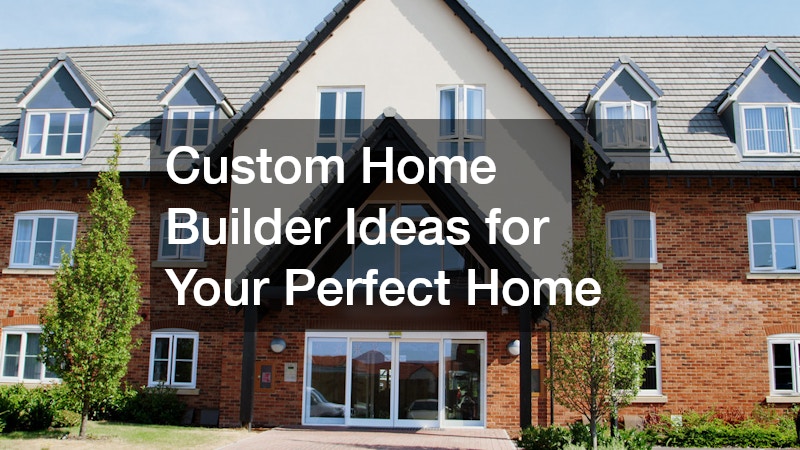
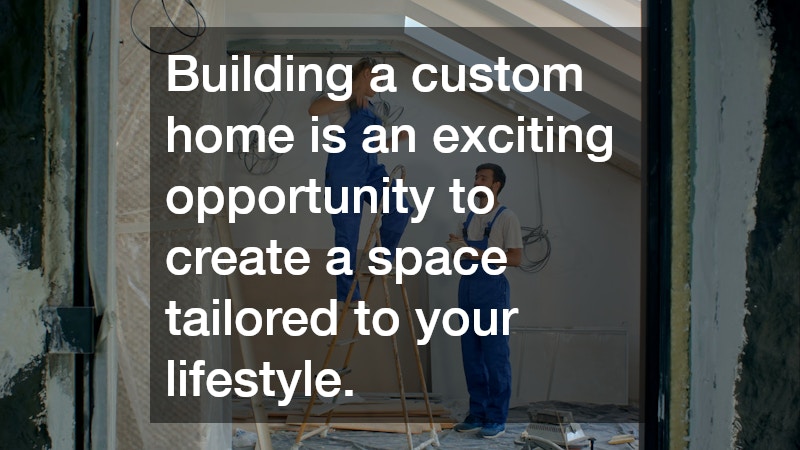
Building a custom home is an exciting opportunity to create a space tailored to your lifestyle, aesthetic preferences, and long-term goals. Unlike standard pre-built homes, a custom build allows for full control over every aspect of design, from the floor plan to the finishes, energy systems, and outdoor living areas.
Thoughtful planning, careful selection of materials, and collaboration with experienced professionals are essential to ensuring the home meets both functional needs and personal vision. A custom home also provides the chance to incorporate innovative features that enhance comfort, convenience, and efficiency, ensuring that each room serves a purpose while maintaining aesthetic harmony.
From optimizing natural light and space usage to integrating modern technology, every decision contributes to a home that is as practical as it is beautiful. By understanding each stage of the process—from planning and structural integrity to technology integration and maintenance—you can confidently navigate the journey of building a home that reflects your lifestyle and supports long-term satisfaction.
Planning Your Ideal Layout and Design
Planning the layout and design of a new home is one of the most critical steps in a successful custom build. This stage determines the overall functionality, flow, and livability of your space, so investing time and research here pays dividends for years to come.
A custom home builder can guide you through design considerations and translate your ideas into practical, well-engineered solutions. Their expertise ensures that spaces are not only visually appealing but also structurally sound and compliant with local building codes. Collaborating closely with your builder allows you to make informed decisions about room sizes, storage solutions, and traffic flow, balancing both comfort and functionality.
Key Planning Tips
-
Define lifestyle priorities: Identify must-have features such as home offices, entertainment spaces, or fitness areas.
-
Consider future changes: Account for family growth, aging in place, or potential resale value.
-
Maximize natural light and ventilation: Proper window placement enhances energy efficiency and overall comfort.
-
Use property appraisal insights: Understanding local market values and trends helps prioritize investments that increase long-term home value.
-
Balance aesthetics and functionality: Select finishes, color schemes, and materials that create visual appeal while being practical for everyday use.
A clear, well-considered plan at this stage creates a roadmap that guides every subsequent decision, reducing stress and minimizing costly revisions during construction.
Ensuring Structural Integrity
The durability and longevity of your home depend on the quality of its structure. Roofing, moisture control, and proper materials are central to ensuring a safe and resilient home.
A residential roofer plays a vital role in providing protection against weather extremes. Selecting roofing materials suited to your local climate, such as metal, asphalt, or tile, can prevent long-term issues like leaks, water damage, or structural weakening. Additionally, the roof’s design should facilitate proper drainage and insulation to enhance energy efficiency.
Preventing Water Damage and Mold
Moisture is one of the leading causes of structural damage, making mold remediation services essential during and after construction. Early prevention is always better than later remediation. By addressing potential water intrusion points—such as poorly sealed windows, roof penetrations, or basement leaks—you protect both the structure and the health of residents.
Best Practices for Structural Integrity:
-
Schedule early roof inspections to ensure installation quality.
-
Include moisture barriers and proper ventilation in walls and attics.
-
Plan landscaping to direct water away from foundations.
-
Conduct preemptive mold inspections, especially in humid climates.
-
Address water intrusion immediately to avoid costly remediation later.
Ensuring your home’s structural integrity during construction reduces long-term maintenance costs, improves energy efficiency, and safeguards your family’s health.
Enhancing Comfort With Heating and Cooling

Modern homes require efficient climate control systems to maintain comfort throughout the year. Proper AC installation and planning for potential emergency heating repair are critical considerations during the building process.
Planning Your HVAC System
-
Energy-efficient equipment: Select HVAC units with high SEER ratings for cooling and energy efficiency.
-
Strategic ductwork placement: Ensures consistent airflow throughout the home.
-
Zoning capabilities: Allows different areas of the home to be heated or cooled individually for comfort and cost savings.
-
Thermostat placement: Avoid direct sunlight and drafts to improve system accuracy.
Preparing for Emergencies
Even with the best systems, unforeseen issues can arise. Having a plan for emergency heating repair ensures minimal disruption in cold months.
-
Keep a list of reliable service providers.
-
Schedule routine maintenance to catch issues early.
-
Understand warranty coverage and emergency response times.
By addressing HVAC considerations early, you not only enhance day-to-day comfort but also protect against costly repairs and extended downtime.
Modernizing Your Home With Technology
Integrating smart technology into your home design improves convenience, security, and energy efficiency. Working with a custom home builder who understands home automation services ensures seamless integration from the ground up.
Smart Home Design Tips
-
Lighting: Install automated systems that adjust brightness or color based on time of day or occupancy.
-
Climate control: Smart thermostats optimize energy use without sacrificing comfort.
-
Security: Automated locks, cameras, and alarms enhance safety.
-
Appliance integration: Control ovens, refrigerators, and entertainment systems remotely.
Benefits of Home Automation
-
Reduces utility costs through smarter energy management.
-
Enhances convenience with remote control and scheduling.
-
Increases property value with modern, tech-ready features.
-
Simplifies future upgrades by establishing a cohesive system early.
Planning smart systems during construction avoids costly retrofits and allows technology to be fully integrated into the home’s architecture.
Plumbing Planning and Maintenance

Proper plumbing is critical for everyday functionality, safety, and long-term maintenance. Collaborating with local plumbers during the design phase ensures that plumbing services are installed correctly and efficiently.
Key Plumbing Considerations
-
Fixture placement: Strategically locate sinks, showers, and appliances for convenience and functionality.
-
Pipe quality: Use durable, corrosion-resistant materials.
-
Hot water planning: Ensure adequate capacity and efficiency.
-
Drainage: Plan for proper slope and venting to prevent backups.
-
Accessibility: Design plumbing access points for future repairs.
Maintenance Tips
-
Schedule regular inspections to detect leaks or clogs early.
-
Keep a record of plumbing layouts for reference during repairs.
-
Educate homeowners on safe chemical use and proper drain maintenance.
Proper planning during construction minimizes future disruptions and ensures a reliable water supply and drainage system for the life of the home.
Interior Finishes That Balance Beauty and Function
When designing a custom home, interior finishes play a huge role in both aesthetics and practicality. Thoughtful selection ensures that your home is not only beautiful but also easy to maintain and durable.
Flooring and Wall Surfaces
-
Durable materials: Consider hardwood, tile, or high-quality laminate for high-traffic areas.
-
Low-maintenance finishes: Use stain-resistant paint and wall coverings to simplify house cleaning.
-
Moisture protection: Bathrooms and kitchens benefit from water-resistant flooring and wall coatings to prevent damage and mold.
Roofing Considerations for Interior Comfort
While often overlooked, residential roofer decisions impact interior comfort:
-
Proper insulation reduces heating and cooling costs.
-
Ventilation choices prevent attic moisture, protecting ceilings and walls.
-
Roof design influences natural lighting and interior temperature control.
By combining practical surfaces with roofing choices that support home comfort, interiors remain attractive, functional, and easier to maintain over time.
Enhancing Safety and Preparedness
Building a custom home provides the opportunity to integrate safety features from the start, reducing risks and preparing for unexpected situations.
Emergency Planning and Safety Features
-
Install smoke and carbon monoxide detectors in key areas.
-
Integrate emergency lighting or backup generators to maintain power during outages.
-
Use mold remediation services as part of water management systems to prevent growth in damp areas.
Legal and Financial Considerations
Even with precautions, accidents can happen during construction or occupancy. Consulting with a car accident lawyer or general legal expert can:
-
Clarify liability coverage during construction.
-
Ensure contractors adhere to safety standards.
-
Provide guidance on insurance claims related to injuries or property damage.
A proactive approach to safety and legal considerations ensures peace of mind and mitigates potential setbacks during and after construction.
Maximizing Outdoor Living Spaces
Outdoor spaces are increasingly treated as extensions of indoor living areas. Planning for comfort, functionality, and modern technology creates versatile areas for relaxation and entertainment.
Cooling and Climate Comfort
-
AC installation can extend to outdoor spaces, such as screened patios or sunrooms, for year-round comfort.
-
Ceiling fans and retractable shades complement cooling systems to maintain pleasant temperatures.
Integrating Technology
-
Outdoor home automation services allow remote control of lighting, irrigation, and entertainment systems.
-
Smart sensors can detect occupancy or adjust settings based on weather conditions.
-
Automated irrigation ensures plant health while conserving water.
Well-planned outdoor living areas provide versatility, comfort, and connectivity, allowing homeowners to enjoy year-round usability and modern conveniences.
Strategic Upgrades and Long-Term Investment
Custom homes are an investment, and making strategic decisions enhances both enjoyment and resale value. Working with an experienced custom home builder ensures that upgrades are smart and sustainable.
High-Impact Upgrades
-
Energy-efficient windows and insulation improve comfort and reduce costs.
-
Gourmet kitchens, spa-like bathrooms, and outdoor kitchens elevate the home’s appeal.
-
Durable exterior finishes reduce maintenance costs over time.
Understanding Property Value
-
A professional property appraisal during planning can guide upgrade decisions.
-
Prioritize improvements that balance lifestyle enhancement with long-term financial benefits.
-
Consider neighborhood trends and buyer preferences for future resale planning.
Thoughtful upgrades and investment-focused planning help homeowners enjoy immediate satisfaction while protecting long-term value.
Routine Maintenance and Professional Support
Even the best-designed homes require ongoing maintenance to maintain functionality, comfort, and safety. Establishing relationships with trusted service providers ensures issues are addressed promptly and professionally.
Routine Maintenance Tasks
-
Schedule inspections for HVAC, roofing, plumbing, and electrical systems.
-
Clean gutters, check for leaks, and service appliances regularly.
-
Conduct seasonal checks to prevent wear-related problems.
Working With Professionals
-
Partner with local plumbers for preventative care, repairs, and upgrades.
-
Use reliable plumbing services to ensure quality work and long-term performance.
-
Maintain records of service visits to track maintenance and warranty compliance.
A proactive approach to maintenance reduces stress, prevents costly repairs, and ensures systems continue to operate efficiently.
Energy Efficiency and Sustainability
Sustainability is a core consideration in modern home design. Energy-efficient features reduce costs, protect the environment, and contribute to long-term comfort.
Energy-Saving Measures
-
Smart thermostats and home automation services optimize energy use based on occupancy and weather.
-
AC installation with high-efficiency ratings lowers electricity consumption.
-
Proper insulation, window placement, and energy-efficient appliances enhance sustainability.
Long-Term Benefits
-
Lower utility bills.
-
Reduced carbon footprint.
-
Increased property value due to modern, eco-conscious features.
Integrating energy efficiency into a custom home design maximizes comfort while protecting resources and finances.
Creating a Lifestyle-Centric Home
A custom home should reflect lifestyle preferences, combining functionality, beauty, and convenience.
Designing for Daily Life
-
Allocate spaces for hobbies, family activities, or work-from-home setups.
-
Select finishes and materials that simplify house cleaning for busy households.
-
Optimize roofing and insulation choices with guidance from a residential roofer to enhance comfort and protection.
Lifestyle Enhancements
-
Incorporate flexible spaces that adapt as needs change.
-
Include storage solutions to maintain organization and reduce clutter.
-
Design indoor-outdoor transitions that enhance entertainment and relaxation opportunities.
By aligning design decisions with lifestyle needs, the home becomes both practical and personally meaningful.
Creating your perfect custom home is a journey that blends vision, planning, and professional guidance. Every decision—from layout and structural choices to technological integration and outdoor features—shapes a space that is both beautiful and functional.
Reliable, long-term home performance comes from thoughtful planning, proactive maintenance, and strategic investment in quality materials and services. By collaborating with experienced professionals, staying informed about options, and prioritizing convenience, comfort, and sustainability, homeowners can achieve a living environment that meets their needs today and adapts to the future.
A well-designed custom home isn’t just a building; it’s a lifestyle. Every upgrade, maintenance task, and innovative feature contributes to a space that supports health, happiness, and peace of mind. Whether you are incorporating energy-saving technologies, designing multifunctional spaces, or selecting finishes that simplify daily upkeep, a deliberate approach ensures lasting value, enjoyment, and satisfaction for you and your family.
By thoughtfully planning, selecting trusted professionals, and considering every element—from plumbing and roofing to HVAC and smart home integration—you create a home that is not only functional but also truly reflective of your vision and lifestyle. Taking the time to consider these factors today ensures a home that continues to provide comfort, convenience, and style for decades to come.
Additionally, incorporating flexibility into your design allows your home to evolve alongside your family’s needs. Multi-purpose spaces, adjustable storage solutions, and adaptable layouts ensure that your home can accommodate changes in lifestyle, work-from-home requirements, or growing families without the need for costly renovations. Thoughtful landscaping, energy-efficient features, and sustainable building practices further enhance long-term value, creating a property that is both environmentally conscious and financially sound.
Engaging experienced professionals also means access to industry knowledge that can prevent common pitfalls. From anticipating maintenance needs and selecting durable materials to understanding local building codes and optimizing energy efficiency, expert guidance ensures that every decision contributes to a home that is practical, safe, and enjoyable. By balancing aesthetics with function and long-term planning with daily convenience, homeowners can create a truly timeless space—one that reflects personal taste while providing a comfortable, efficient, and resilient environment for years to come.